
GYMMH 2021
Mental Health
Advocate Training
In the second part of the GYMMH 2021 mental health initiative ↗, 15 senior high school and university students from five national regions were recruited, camped, and trained by different professionals for an average of eight (8) hours a day. The training equipped them with knowledge, practical skills, and tools to become effective mental health advocates in their schools and communities.
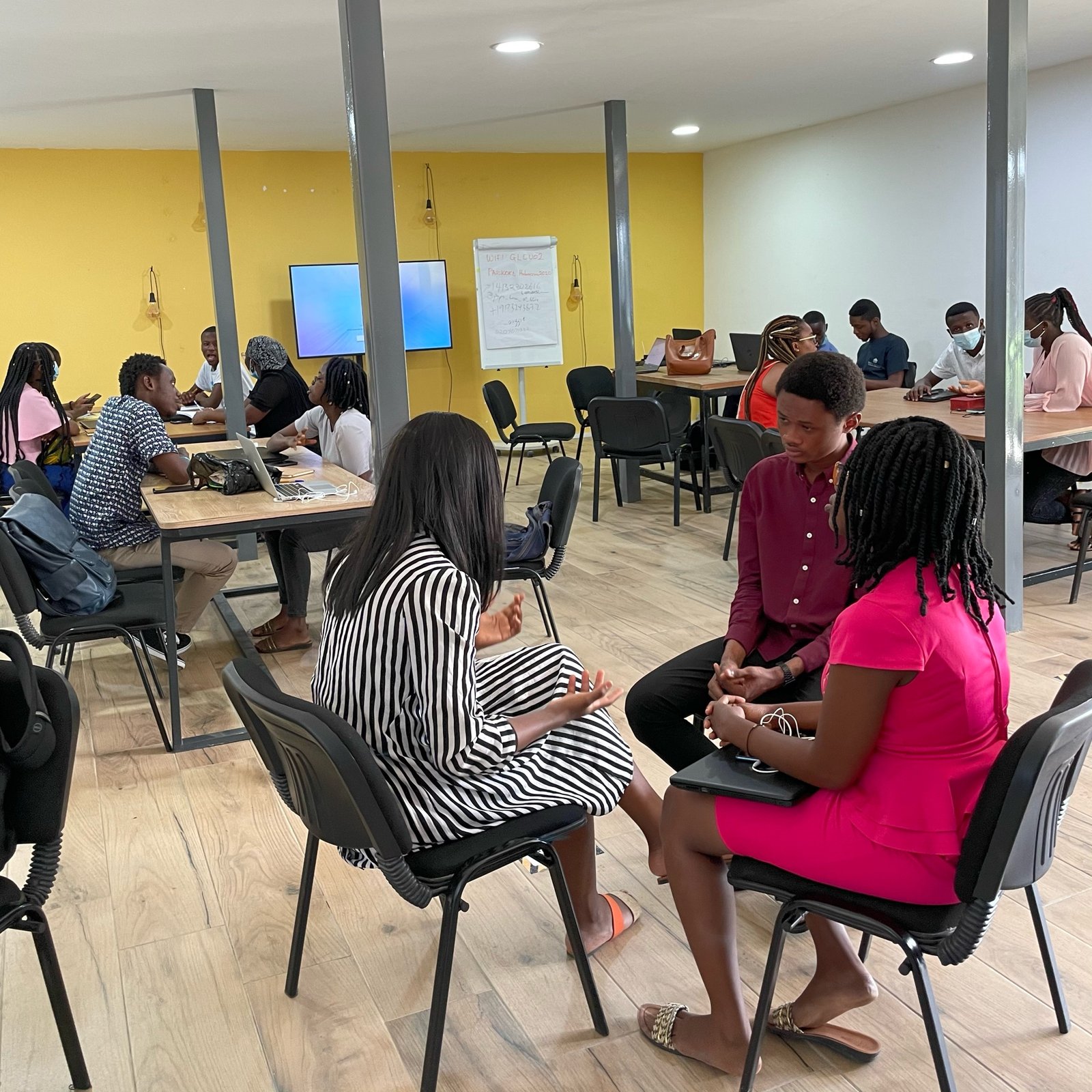
What the Training Included
Training sessions included public speaking and giving presentations by Mr. Jeremiah Sekyi, a Schwarzman Scholar and public speaking world champion.
Three sessions on mental health education programming were led by Mr. Jesse Blakor, a clinical psychologist from GYMMH's partnering organization, Psych Corps Ghana.
Participants also received training in Psychological and Emotional First Aid and Support For Mental Health, facilitated by Dr. Paa Kofi Tinagyei.
The programme also featured a Design Thinking Process Workshop facilitated by Freda Yawson.
Public Speaking &
Giving Presentations
Mr. Jeremiah Sekyi
Schwarzman Scholar & Public Speaking World Champion
Mental Health Education Programming
Mr. Jesse Blakor
Clinical Psychologist, Psych Corps Ghana (3 sessions)
Psychological and Emotional First Aid and Support For Mental Health
Dr. Paa Kofi Tinagyei
Design Thinking Process Workshop
Freda Yawson
Projects by Our 2021 Advocates
Some of the projects undertaken by trained mental health advocates include:
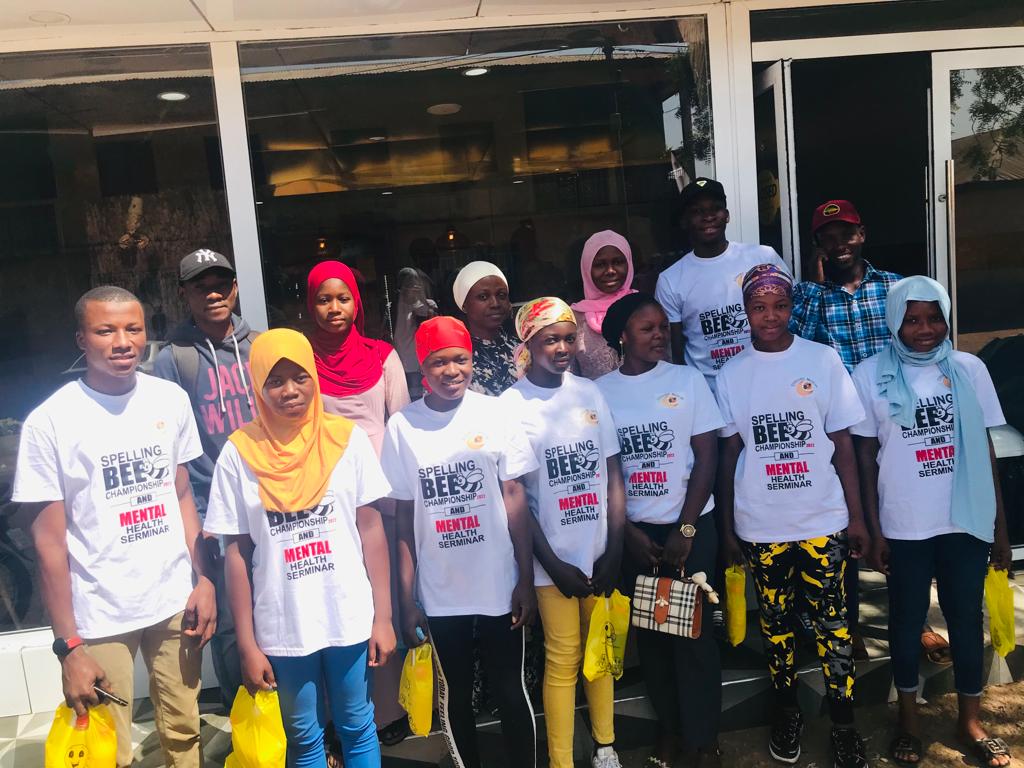
Mental Health
Spelling Bee Competition
Raising awareness and knowledge about mental health through an engaging school competition.
SDG Challenge
Integrating mental health advocacy with the Sustainable Development Goals.
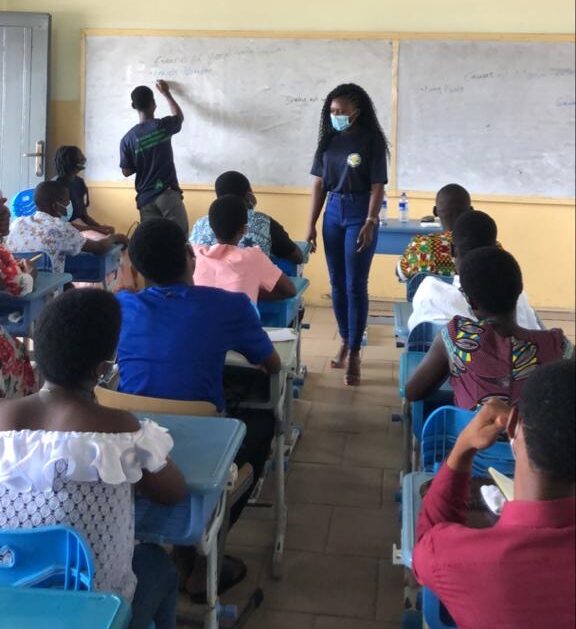
Emmanuel Presby
Mental Health Workshop
A peer education workshop promoting mental health awareness and support within the school community.
From Training to
Community Impact
The training concluded with presentations by the 2021 fellows on mental health projects they planned to undertake. Some of these projects have since started or been completed. Fellows were encouraged to educate their peers and advocate for mental health in their schools and local communities.
Following the camp fellowship and the completion of a WHO psychological first aid course, fellows reported improved understanding of common mental illnesses, basic ways to address them, and how to direct individuals to appropriate mental health resources within their communities.


